
🏺 History इतिहास
1077 exam-ready facts · 1001 MCQs
Ye news abhi is language me nahi hai — English me dikha rahe hain.
-
1021
1930 ke Namak Satyagraha ne 1882 ke Namak Adhiniyam ke tahat namak ke nirman aur bikri par British sarkar ke ekadhikar ko seedhe chunauti di.
Mahatma Gandhi ki pratishith Dandi Yatra ne is rashtravyapi savinay avagya andolan ki shuruat ki.
Asked in SSC CGL 2025 (19 Sep, Shift 2)
Practice (1)
Q9861930 का नमक सत्याग्रह किस ब्रिटिश नीति के खिलाफ प्रत्यक्ष सविनय अवज्ञा आंदोलन था?
Answer dekho
Sahi uttar: B — नमक के निर्माण और बिक्री पर ब्रिटिश एकाधिकार।
उत्तर: (B)
1930 का नमक सत्याग्रह ब्रिटिश सरकार द्वारा नमक के उत्पादन और बिक्री पर रखे गए एकाधिकार (मोनोपोली) के खिलाफ था। -
1022
Age of Consent Act 1891 ne ladkiyon ke liye sahamati ki nyuntam kanuni umr das se badha kar barah varsh kar di.
Yah samajik sudhar kanoon Lord Lansdowne ke viceroy kaal ke dauran parit kiya gaya tha.
Asked in SSC CGL 2025 (20 Sep, Shift 1)
Practice (1)
Q987आयु सहमति अधिनियम (Age of Consent Act) 1891 ने लड़कियों के लिए न्यूनतम वैवाहिक आयु कहाँ से कहाँ तक बढ़ाई थी?
Answer dekho
Sahi uttar: B — 10 से 12 वर्ष
उत्तर: (B)
1891 के एज ऑफ कंसेंट एक्ट द्वारा लड़कियों के लिए सहमति की उम्र 10 वर्ष से बढ़ाकर 12 वर्ष कर दी गई थी। -
1023
Lord William Bentinck ne 1829 mein viniyaman XVII lagu kiya, jisne aadhikariktor par pure British Bharat mein sati pratha ko avaidh ghoshit kar diya.
Yah aitihasik sudhar mukhya roop se Raja Rammohan Roy ke athak samajik abhiyanon ke karan prapt hua tha.
Asked in SSC CGL 2025 (21 Sep, Shift 1)
Practice (1)
Q9881829 में ब्रिटिश भारत में सती प्रथा को समाप्त करने वाला कानून किसने लागू किया था?
Answer dekho
Sahi uttar: C — लॉर्ड विलियम बेंटिंक
उत्तर: (C)
लॉर्ड विलियम बेंटिंक ने राजा राममोहन राय के प्रयासों से 1829 में कानून (Regulation XVII) बनाकर सती प्रथा पर प्रतिबंध लगा दिया था। -
1024
Madam Bhikaji Cama ne 1907 mein Germany ke Stuttgart mein antarrashtriya samajvadi congress mein bhartiya swatantrata dhwaj ke shurayati sanskaran ko fharaya.
Is dhwaj mein pavitra pratikon aur Vande Mataram nare ke sath pramukh tirange band the.
Asked in SSC CGL 2025 (22 Sep, Shift 1)
Practice (1)
Q9891907 में जर्मनी के श्टुटगार्ट में अंतर्राष्ट्रीय समाजवादी कांग्रेस में भारतीय झंडे का पहला संस्करण फहराने का श्रेय किसे जाता है?
Answer dekho
Sahi uttar: C — भीकाजी कामा
उत्तर: (C)
मैडम भीकाजी कामा ने 1907 में जर्मनी के श्टुटगार्ट शहर में आयोजित अंतर्राष्ट्रीय समाजवादी सम्मेलन में भारत का तिरंगा झंडा फहराया था। -
1025
1854 ke Wood's Despatch ne prathmik vidyalayon se lekar vishwavidyalayon tak feli bhartiya shiksha ke liye ek vyapak rooprekha taiyar ki.
Ise aksar Bharat mein angrezi shiksha ka Magna Carta kaha jata hai, isne Calcutta, Bombay aur Madras mein vishwavidyalayon ki sthapna ki sifarish ki thi.
Asked in SSC CGL 2025 (23 Sep, Shift 1)
Practice (1)
Q9901854 में जारी कौन सा शिक्षा-संबंधी दस्तावेज, भारत में आधुनिक शिक्षा की नींव बना?
Answer dekho
Sahi uttar: C — वुड्स डिस्पैच (Wood's Despatch)
उत्तर: (C)
सर चार्ल्स वुड का 1854 का डिस्पैच (Wood's Despatch) भारत में आधुनिक शिक्षा का मैग्ना कार्टा कहलाता है जिसने शिक्षा की रूपरेखा तय की। -
1026
Baikuntha Shukla ne Phanindra Nath Ghosh ki hatya kar di, jo ek purv krantikari the jo sarkari gawah ban gaye the, jiske parinamswaroop 1934 mein unhe phansi de di gayi.
Vah Hindustan Socialist Republican Association (HSRA) ke ek samarpit sadasya the.
Asked in SSC CGL 2025 (20 Sep, Shift 1)
Practice (1)
Q991भारतीय स्वतंत्रता संग्राम में बैकुंठ शुक्ल का मुख्य योगदान क्या था?
Answer dekho
Sahi uttar: C — उन्होंने एक सरकारी गवाह (approver) की हत्या की
उत्तर: (C)
बैकुंठ शुक्ल ने फणीन्द्र नाथ घोष की हत्या की थी जो सरकारी गवाह बन गया था और जिसके कारण भगत सिंह, सुखदेव व राजगुरु को फांसी हुई थी। -
1027
Rajkumar Tikendrajit Singh ne 1891 mein Khongjom yuddh ke dauran Manipuri sashastra balon ka netritva kiya aur baad mein angrezon dwara unhe phansi de di gayi.
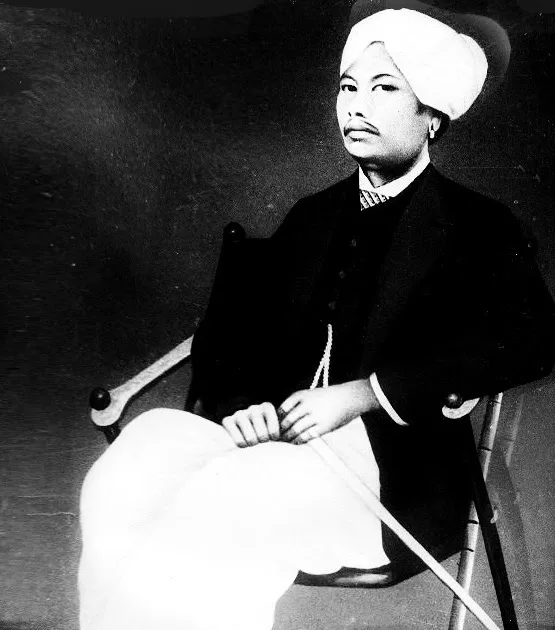
Yah yuddh British aupniveshik atikraman ke khilaf Manipur ki samprabhuta ki raksha ke liye lada gaya tha.
Asked in SSC CGL 2025
Practice (1)
Q992मणिपुर के ब्रिटिश विलय के खिलाफ खुोंगजोम युद्ध (1891) के प्रमुख नेता निम्नलिखित में से कौन थे?
Answer dekho
Sahi uttar: A — टिकेन्द्रजित सिंह ने मणिपुरी सेना की कमान संभाली और बाद में उन्हें फांसी दे दी गई।
उत्तर: (A)
1891 के आंग्ल-मणिपुर युद्ध (खोंगजोम युद्ध) में राजकुमार टिकेन्द्रजित ने मणिपुरी सेना का नेतृत्व किया था और बाद में अंग्रेजों ने उन्हें फांसी दे दी थी। -
1028
Patna ke ek sahasi bookbinder Peer Ali Khan ne Bihar mein 1857 ke vidroha ka aayojan kiya aur British adhikariyon dwara unhe sarvajanik roop se phansi de di gayi.
Unki shahadat purvi Bharat mein upniveshwad virodhi pratirodh ka ek shaktishali prateek bani hui hai.
Asked in SSC CGL 2025 (23 Sep, Shift 1)
Practice (1)
Q993पीर अली खान 1857 के विद्रोह के एक प्रमुख व्यक्ति थे जिन्होंने बिहार के किस प्रमुख शहर में विद्रोहियों को संगठित किया और ब्रिटिश शासन को चुनौती दी?
Answer dekho
Sahi uttar: B — पटना
उत्तर: (B)
पीर अली खान एक पुस्तक विक्रेता (बुकबाइंडर) थे जिन्होंने 1857 के विद्रोह के दौरान पटना में विद्रोहियों का नेतृत्व किया था। -
1029
Bharat sarkar adhiniyam 1919 ne kendra mein dwisadniya vidhayika ki shuruat ki, jismein Council of State aur Central Legislative Assembly shamil thin.
Is sudhar ne kendriya kanoon banane wali sanstha mein bhartiya pratinidhitva ke ek mahatvapurna vistar ko chinhit kiya.
Asked in SSC CGL 2025 (21 Sep, Shift 3)
Practice (1)
Q994रिक्त स्थान भरें:<br>भारत सरकार अधिनियम 1919 ने राज्य परिषद और ____ के साथ एक द्विसदनीय केंद्रीय विधायिका बनाई।
Answer dekho
Sahi uttar: A — केंद्रीय विधान सभा
उत्तर: (A)
1919 के अधिनियम द्वारा केंद्र में द्विसदनीय व्यवस्था की गई जिसमें उच्च सदन 'राज्य परिषद' (Council of State) और निचला सदन 'केंद्रीय विधान सभा' था। -
1030
To advise the Secretary of State
Asked in SSC CGL 2025 (24 Sep, Shift 2)
Practice (1)
Q995What was the role of the India Council established by the Government of India Act, 1858?
Answer dekho
Sahi uttar: B — To advise the Secretary of State
Answer: (B)The Government of India Act, 1858 moved the rule of India from the East India Company to the Crown. A new Secretary of State for India, a British cabinet minister, took over the powers of the Company's Court of Directors.
To assist him the Act created a 15-member Council of India, an advisory body → option (b).
Why the others are wrong(a)To control trade with India: The Company's trade had ended long before 1858: the Charter Act of 1833 closed its commercial business. The Council advised on governing India, not on trade.(c)To represent Indian opinion in Britain: Its members were British, sitting in London. No Indian was appointed until 1907, when Lord Morley named Krishna Govinda Gupta and Syed Hussain Bilgrami.(d)To review court judgments: Appeals from Indian courts went to the Judicial Committee of the Privy Council in London. The Council of India advised the Secretary of State and did not sit as a court. -
1031
Tribal (Adivasi) communities
Asked in SSC CGL 2025 (24 Sep, Shift 2)
Practice (1)
Q996Thakkar Bapa was a dedicated social worker and freedom fighter primarily known for his lifelong efforts towards the upliftment and welfare of which section of Indian society?
Answer dekho
Sahi uttar: C — Tribal (Adivasi) communities
Answer: (C)Amritlal Vithaldas Thakkar, known as Thakkar Bapa, founded the Bhil Seva Mandal in 1922 to work among the Bhil tribe.
In the Constituent Assembly he chaired the sub-committee on Excluded and Partially Excluded Areas (other than Assam), which dealt with tribal areas → option (c).
Why the others are wrong(a)Women: The Bhil Seva Mandal he founded served the Bhils, and the Harijan Sevak Sangh he served as general secretary worked among Dalits. Women's welfare is not his cause.(b)Children: Children were not his focus. He is remembered for tribal welfare, from the Bhil Seva Mandal to the Constituent Assembly's excluded-areas sub-committee.(d)Industrial workers: His work was among tribal communities, such as the Bhils of Gujarat, and among Dalits. Organising mill workers is not what he is known for. -
1032
Sidhu aur Kanhu Murmu ne 1855 ke Santhal Vidroh ka netritva British aur zamindaron ke shoshan ke khilaf kiya tha.
Unhone 30 June 1855 ko das hazaar Santhalon ko ekjut kiya tha.
Asked in SSC CGL 2025 (24 Sep, Shift 2)
Practice (1)
Q9971855 के संथाल विद्रोह के दौरान शहीद कान्हू और सिधू मुर्मू की भूमिका और व्यक्तित्व विशेषताओं का सबसे अच्छा वर्णन निम्नलिखित में से कौन सा करता है?
Answer dekho
Sahi uttar: A — दूरदर्शी जनजातीय नेता जिन्होंने साहस और रणनीतिक कौशल के साथ शोषण का विरोध करने के लिए संथाल समुदाय को एकजुट किया।
उत्तर: (A)
सिधू और कान्हू मुर्मू ने संथालों को संगठित किया था। -
1033
Pune
Asked in SSC CGL 2025 (23 Sep, Shift 3)
Practice (1)
Q998The Chapekar Brothers (Damodar, Balkrishna, and Vasudeo) are remembered for assassinating a British official in response to injustices during the plague epidemic in which Indian city?
Answer dekho
Sahi uttar: C — Pune
Answer: (C)Plague struck Pune in 1896–97, and a Special Plague Committee headed by W. C. Rand enforced harsh measures there, including searches of homes.
On 22 June 1897, the day Pune celebrated Queen Victoria's Diamond Jubilee, the Chapekar brothers shot Rand on the Ganeshkhind road. He died of his wounds on 3 July 1897 → option (c).
Why the others are wrong(a)Mumbai: Bombay (now Mumbai) was also hit by plague, which is the trap. But Rand's plague committee, and the 22 June 1897 shooting, were in Pune.(b)Delhi: Delhi has no part in this case. The Chapekars, Rand and the 1897 plague measures all belong to Pune, then in the Bombay Presidency.(d)Chennai: Chennai (then Madras) has no part in this case. Rand was shot on the Ganeshkhind road in Pune, where his committee ran the plague measures. -
1034
A is true, but R is false.
Asked in SSC CGL 2025 (23 Sep, Shift 3)
Practice (1)
Q999Read the following statements and mark the correct option:<br>Assertion (A): Rani Gaidinliu continued the Heraka movement after the death of Jadonang.<br>Reason (R): She aimed to convert the movement into a mass literacy campaign among Nagas.
Answer dekho
Sahi uttar: C — A is true, but R is false.
Answer: (C)A is true. The British hanged Haipou Jadonang in Imphal on 29 August 1931, and Gaidinliu emerged as his spiritual and political heir, carrying the Heraka movement on.
R is false. Heraka revived the tribal religion of the Zeliangrong Nagas and defied British rule, for instance by urging people not to pay taxes. It was not a literacy campaign → option (c).
Why the others are wrong(a)Both A and R are true, and R is the correct explanation of A.: R is false, so it cannot explain A. Gaidinliu continued Heraka as a religious revival and a revolt against British rule, not as a literacy drive.(b)Both A and R are true, but R is not the correct explanation of A.: R is false, so 'both true' fails. Heraka's aims were religious revival and resistance to British rule, including refusal to pay taxes.(d)A is false, but R is true.: A is true. Gaidinliu led the Heraka movement after Jadonang's execution in 1931. She was arrested in October 1932 and stayed in prison until 1947. -
1035
Morarji Desai
Asked in SSC CGL 2025 (23 Sep, Shift 3)
Practice (1)
Q1000The rolling plan concept was introduced during which Prime Minister's tenure?
Answer dekho
Sahi uttar: C — Morarji Desai
Answer: (C)The Janata Party government of Morarji Desai, Prime Minister from 1977 to 1979, ended the Fifth Five Year Plan a year early, in 1978.
In its place it launched the Rolling Plan from 1978. When Indira Gandhi returned to power in 1980, the Rolling Plan was dropped and a fresh Sixth Plan (1980–85) began → option (c).
Why the others are wrong(a)Jawaharlal Nehru: Nehru died in 1964, fourteen years before the Rolling Plan began. His governments ran the First and Second Plans and launched the Third.(b)Indira Gandhi: Indira Gandhi ended the Rolling Plan, replacing it with the 1980–85 Sixth Plan. Her earlier tenure is linked with the plan holiday of 1966–69, not the rolling plan.(d)Rajiv Gandhi: Rajiv Gandhi became Prime Minister in 1984, after the Rolling Plan was over. The Seventh Plan (1985–90) ran under him. -
1036
The ruler was free to employ any European (French, Portuguese, etc.) as long as they were not in active conflict with the British.
Asked in SSC CGL 2025
Practice (1)
Q1001Regarding the 'Subsidiary Alliance' system introduced by Lord Wellesley (1798–1805), which of the following statements is INCORRECT?
Answer dekho
Sahi uttar: A — The ruler was free to employ any European (French, Portuguese, etc.) as long as they were not in active conflict with the British.
Answer: (A)The stem asks for the INCORRECT statement, and (a) reverses one of the alliance's terms.
A subsidiary ally had to expel all other Europeans from his state and could not employ them in his civil or military service. There was no exception for Europeans at peace with the British, so the ruler was not free to hire them at all.
Why the others are wrong(b)If the ruler failed to make payments for the maintenance of the British force, a portion of his territory was ceded as a penalty.: A genuine term, so not the answer. NCERT's Class 8 history text says that if a ruler failed to pay for the subsidiary forces, part of his territory was taken as penalty. Awadh lost over half its territory this way in 1801.(c)The Indian ruler was required to disband his own military and maintain a permanent British contingent within his territory.: A genuine term. Under the alliance, NCERT says, Indian rulers were not allowed independent armed forces. The Company protected them instead, and they paid for the subsidiary forces it maintained.(d)The British promised not to interfere in the internal administrative affairs of the allied state.: True of the treaty, so not the answer. Internal administration formally stayed with the ruler. In practice the Company's Residents interfered, trying to decide successions and appointments, but the question asks about the terms. -
1037
_____ was the residence of the Mughal emperors of India for nearly 200 years until 1857. — Red Fort
-
1038
Who among the following was appointed as the first Municipal Commissioner of Bombay in 1865? — rthur Crawford
-
1039
The Uttar Pradesh cabinet approved a proposal to name a zoological garden at ________ after the freedom fighter and revolutionary Ashfaqullah Khan. — Gorakhpur
-
1040
In which of the following years was the first cotton textile mill established in Bombay? — 1854