
🏺 History इतिहास
1077 exam-ready facts · 1001 MCQs
-
361
Ghiyasuddin Tughlaq served as a capable governor of the frontier provinces during the reign of Alauddin Khilji.
He later founded the Tughlaq dynasty after ascending the throne of Delhi.
Asked in SSC CGL 2018
Practice (1)
Q327Who among the following was one of the Governors during the reign of Alauddin<br>Khilji?
Show answer
Correct answer: D — ['4', 'Ghiyasuddin Tughlaq']
Answer: (D)
The correct option is (D). -
362
Mughal Emperor Shah Jahan built the Taj Mahal in Agra along the banks of the Yamuna River for Mumtaz Mahal.
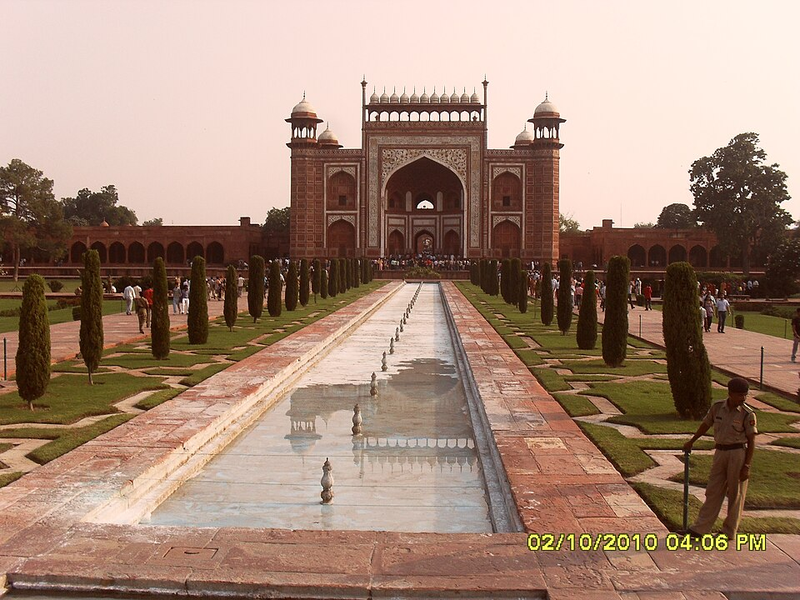
The Taj Mahal is universally admired as a masterpiece of Mughal architecture.
Asked in SSC CGL 2018
Practice (1)
Q328Who had built Taj Mahal, for his wife Mumtaz Mahal along the banks of the Yamuna<br>River in Agra?
Show answer
Correct answer: B — ['2', 'Shah Jahan']
Answer: (B)
The correct option is (B). -
363
During their colonial administration, the British persuaded or forced cultivators in Bengal to intensively grow jute.
Bengal held a global monopoly on raw jute production, which supplied major manufacturing mills in Dundee and Calcutta.
Asked in SSC CGL 2017 (18 Aug, Shift 1)
Practice (1)
Q329During their rule the British persuaded or forced cultivators<br>in Bengal to grow __________.
Show answer
Correct answer: A — Jute
Answer: (A)
The British pushed cultivators in Bengal to grow jute. -
364
Banabhatta was the court poet of King Harshavardhana and authored the biographical work Harshacharita, whereas Harishena was Samudragupta's court poet.
Harshavardhana ruled northern India during the 7th century CE for more than forty years.
Asked in SSC CGL 2022
Practice (1)
Q330Which of the following is NOT correct regarding king Harshavardhana?
Show answer
Correct answer: C — Harshavardhana’s court poet was Harishena
Answer: (C)
Harishena was the court poet of Samudragupta (Allahabad Prashasti). Harsha’s court poet was Banabhatta, who wrote the Harshacharita. -
365
The Red Fort and Jama Masjid in Delhi stand as monumental architectural achievements of Shah Jahan's reign.
Shah Jahan's era is widely regarded as the golden age of Mughal architecture.
Asked in SSC CGL 2018
Practice (1)
Q331The Red Fort and the Jama Masjid in Delhi stand out as towering achievements of<br>architecture during the reign of________.
Show answer
Correct answer: A — ['1', 'Shah Jahan']
Answer: (A)
The correct option is (A). -
366
Large quantities of ostrich eggshells were found at Palaeolithic sites in India, proving that ostriches once inhabited parts of the subcontinent.
Excavations in places like Patne in Maharashtra revealed decorated ostrich eggshells from the Upper Palaeolithic period.
Asked in SSC CGL 2022
Practice (1)
Q332During which of the following period Ostriches were found in India?
Show answer
Correct answer: D — Palaeolithic
Answer: (D)
Ostrich eggshells found at Palaeolithic sites (e.g. in Rajasthan and MP) show ostriches lived in India then. -
367
The arrest of Khudai Khidmatgar leader Khan Abdul Ghaffar Khan in 1930 sparked massive demonstrations in Peshawar.
He was popularly known as the 'Frontier Gandhi' and led the non-violent freedom movement in the North-West Frontier Province.
Asked in SSC CGL 2017 (18 Aug, Shift 3)
Practice (1)
Q333Arrest of _________ in 1930 led to angry demonstrations in<br>streets of Peshawar.
Show answer
Correct answer: A — Abdul Ghaffar Khan
Answer: (A)
Khan Abdul Ghaffar Khan's arrest in 1930 led to protests in Peshawar. -
368
Qutub Minar in Delhi was named in honour of the revered Sufi saint Khwaja Qutbuddin Bakhtiyar Kaki.
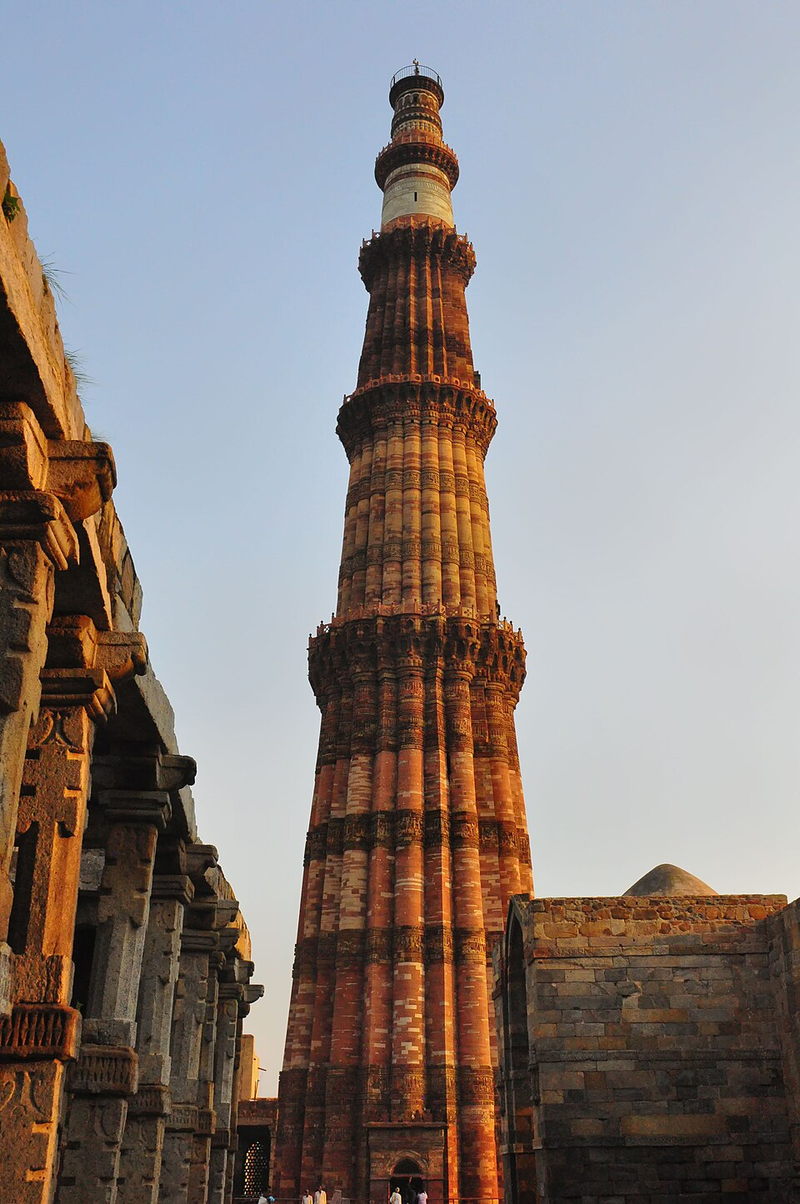
Construction of Qutub Minar was started by Qutb-ud-din Aibak and completed by Iltutmish.
Asked in SSC CGL 2018
Practice (1)
Q334The Qutub Minar was named after the Sufi saint __________.
Show answer
Correct answer: C — ['3', 'Khwaja Qutbuddin Bakhtiyar Kaki']
Answer: (C)
The correct option is (C). -
369
The Chinese Buddhist pilgrim Xuan Zang visited the Indian subcontinent during the 7th century CE, approximately 1400 years ago.
Xuan Zang's travel accounts provide valuable historical details about the sociopolitical conditions of ancient India.
Asked in SSC CGL 2022
Practice (1)
Q335The Chinese Buddhist pilgrim, Xuan Zang, came to the Indian subcontinent about _____ years ago.
Show answer
Correct answer: D — 1400
Answer: (D)
Xuan Zang visited India in the 7th century (629-645 CE), about 1400 years ago. -
370
Mahatma Gandhi and his volunteers walked for 24 days during the historic Salt March from Sabarmati Ashram to Dandi.
The march covered a distance of approximately 240 miles to defy the unjust British salt laws in 1930.
Asked in SSC CGL 2017 (19 Aug, Shift 1)
Practice (1)
Q336For how many days did Mahatma Gandhi's volunteers of the Salt<br>satyagrah walked?
Show answer
Correct answer: A — 24
Answer: (A)
The Dandi march (Salt Satyagraha) lasted 24 days (12 March – 5 April 1930). -
371
During their colonial rule, the British established and persuaded cultivators to develop vast tea plantations in Assam.
Assam soon became one of the leading global producers and exporters of black tea under British administration.
Asked in SSC CGL 2017 (19 Aug, Shift 2)
Practice (1)
Q337During their rule the British persuaded or forced cultivators<br>in Assam to grow __________.
Show answer
Correct answer: B — Tea
Answer: (B)
The British developed tea plantations in Assam. -
372
Jadeite, a precious stone believed to have been brought from China, was discovered at the Neolithic site of Daojali Hading in Assam.
Daojali Hading is situated in the hills near the Brahmaputra valley and contains stone tools and mortars.
Asked in SSC CGL 2022
Practice (1)
Q338At which of the following sites was jadeite stone found (linked with the Harappan civilisation)? (Translated from the Hindi text printed in the sheet.)
Show answer
Correct answer: D — Daojali Hading
Answer: (D)
Jadeite, a stone from China/Burma, was found at Daojali Hading in Assam (NCERT). -
373
Guru Arjan Dev was the fifth of the ten Sikh gurus and compiled the Adi Granth.
He also built the Golden Temple and was martyred on the orders of Mughal Emperor Jahangir.
Asked in SSC CGL 2018
Practice (1)
Q339Who was the fifth of the ten Sikh gurus?
Show answer
Correct answer: D — ['4', 'Guru Arjan Dev']
Answer: (D)
The correct option is (D). -
374
Harishena served multiple prestigious official titles including Kumaramatya, Mahadandanayaka, and Sandhivigrahika under the Guptas.
The office of Nagara-shreshthi was held by chief bankers or merchants, not by court poets like Harishena.
Asked in SSC CGL 2022
Practice (1)
Q340Which of the following offices was NOT held by the poet Harishena?
Show answer
Correct answer: C — Nagara-shreshthi
Answer: (C)
Harishena was Kumaramatya, Mahadandanayaka and Sandhi-vigrahika; Nagara-shreshthi (chief banker) was not his office. -
375
The Simon Commission arrived in India in 1928 to examine and recommend changes to the constitutional system, provoking nationwide protests because it lacked Indian members.
All seven members of the commission were British, which led to the famous 'Simon Go Back' slogan and protests.
Asked in SSC CGL 2017 (20 Aug, Shift 1)
Practice (1)
Q341Name the Commission that came to India in 1928 to reform India's constitutional system.
Show answer
Correct answer: D — Simon Commission
Answer: (D)
The Simon Commission came to India in 1928 to review the constitutional reforms. -
376
Mughal Emperor Humayun defeated the Suri king Sikandar Suri at the Battle of Sirhind to regain Delhi.
This victory in 1555 enabled Humayun to restore Mughal rule in India.
Asked in SSC CGL 2018
Practice (1)
Q342The Suri king ______ was defeated by Humayun to regain his kingdom.
Show answer
Correct answer: B — ['2', 'Sikandar Suri']
Answer: (B)
The correct option is (B). -
377
Guru Arjan Dev constructed the Harmandir Sahib, popularly known as the Golden Temple, in Amritsar.
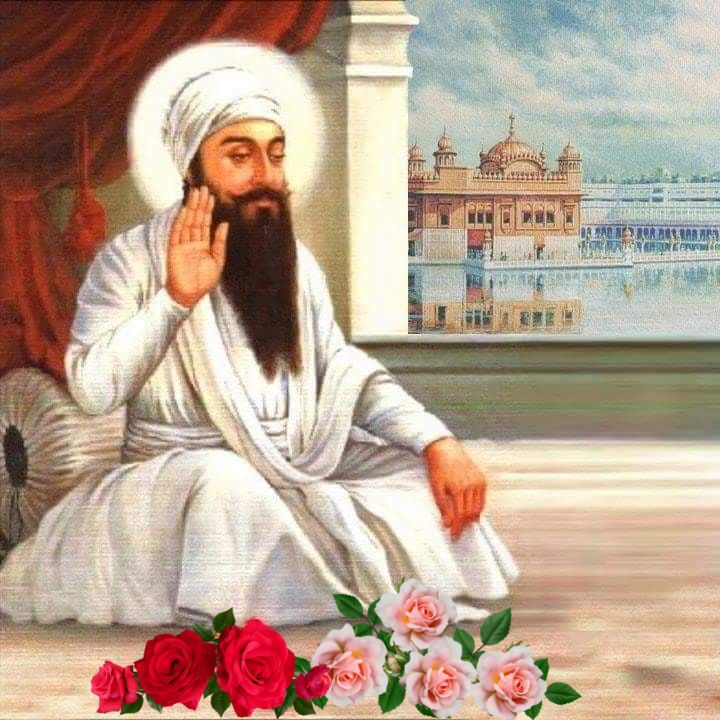
The foundation stone of Harmandir Sahib was laid by the Sufi saint Mian Mir.
Asked in SSC CGL 2018
Practice (1)
Q343_____ built the world famous Harmandar Sahib, popularly known as the Golden<br>Temple in Amritsar.
Show answer
Correct answer: D — ['4', 'Guru Arjan Dev']
Answer: (D)
The correct option is (D). -
378
In 1917, Mahatma Gandhi traveled to Champaran in Bihar to inspire peasants to launch a struggle against the oppressive indigo plantation system.
This was Mahatma Gandhi's first Satyagraha movement launched in India.
Asked in SSC CGL 2017 (20 Aug, Shift 3)
Practice (1)
Q344In 1916 Mahatma Gandhi travelled to _______________ to inspire the peasants to struggle against the oppressive plantation system.
Show answer
Correct answer: C — Champaran
Answer: (C)
In 1917 (asked here as 1916), Gandhi went to Champaran in Bihar for the indigo peasants. -
379
Çatalhöyük in modern-day Turkey is recognized as one of the most famous and well-preserved Neolithic settlements in the world.
This site shows evidence of advanced early agriculture, trade, and community living dating back millennia.
Asked in SSC CGL 2022
Practice (1)
Q345In which among the following period Catal Huyuk was one of the most famous sites?
Show answer
Correct answer: A — Neolithic
Answer: (A)
Çatalhöyük in Turkey is one of the best-known Neolithic settlements. -
380
The early Gupta-period Hindu temple at Bhitargaon in Uttar Pradesh was constructed using baked bricks about 1500 years ago.
Bhitargaon temple features a prominent pyramidal roof and terracotta sculptural panels.
Asked in SSC CGL 2022
Practice (1)
Q346An early temple at Bhitargaon, Uttar Pradesh was built about 1500 years ago was made of _______.
Show answer
Correct answer: D — baked brick
Answer: (D)
The Gupta-era temple at Bhitargaon (Kanpur) is among the oldest surviving temples built of baked brick.